Indoor games
Living-room Olympics, balloon volleyball, cooped-up energy burners and calm wind-downs.
Ages 2–10
The complete Very Super Kids index. Pick the age band that matches your crew, then choose your battlefield: living room, backyard, kitchen table or party room.
Age bands
Development between one and ten is a rollercoaster, so we never pretend one size fits all. Each band focuses on the skills of that stage (sensory exploration for the littlest ones), imaginative leaps for preschoolers, real projects for school-age builders.
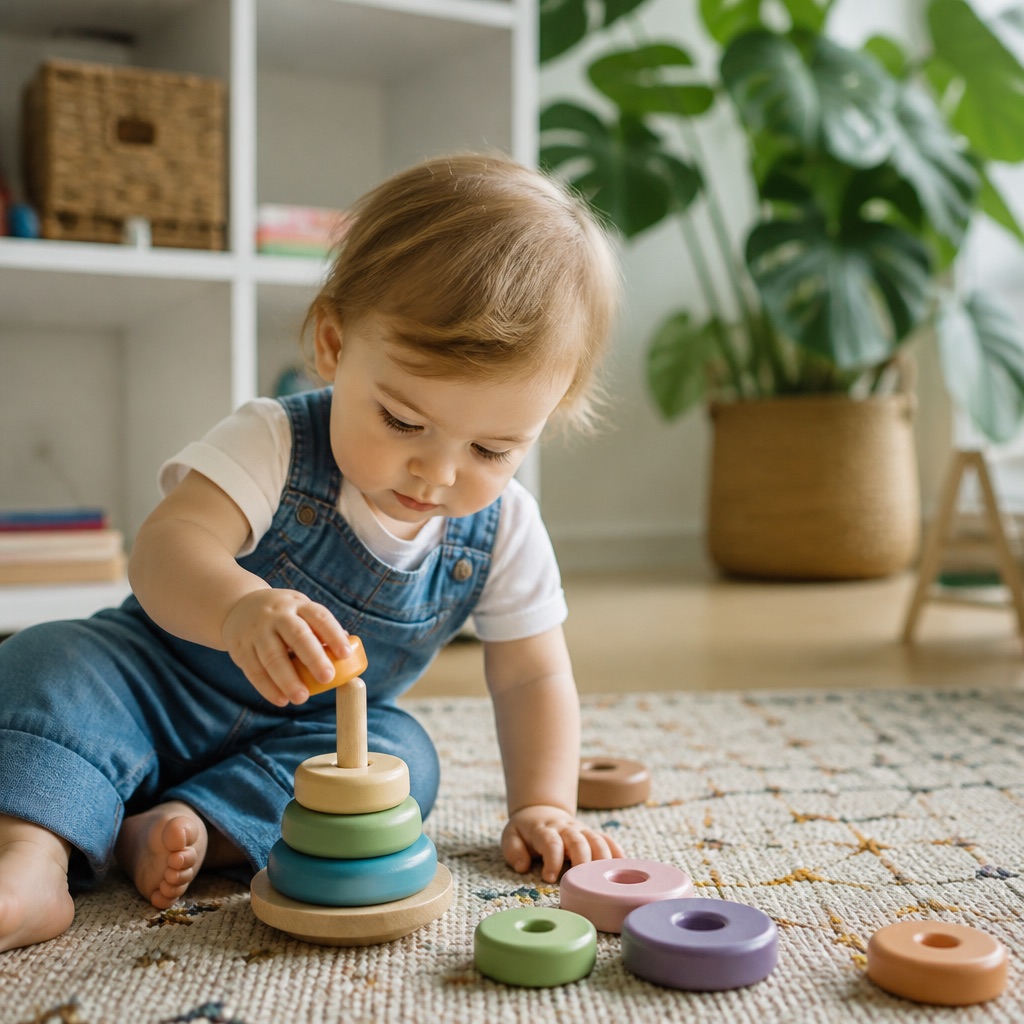
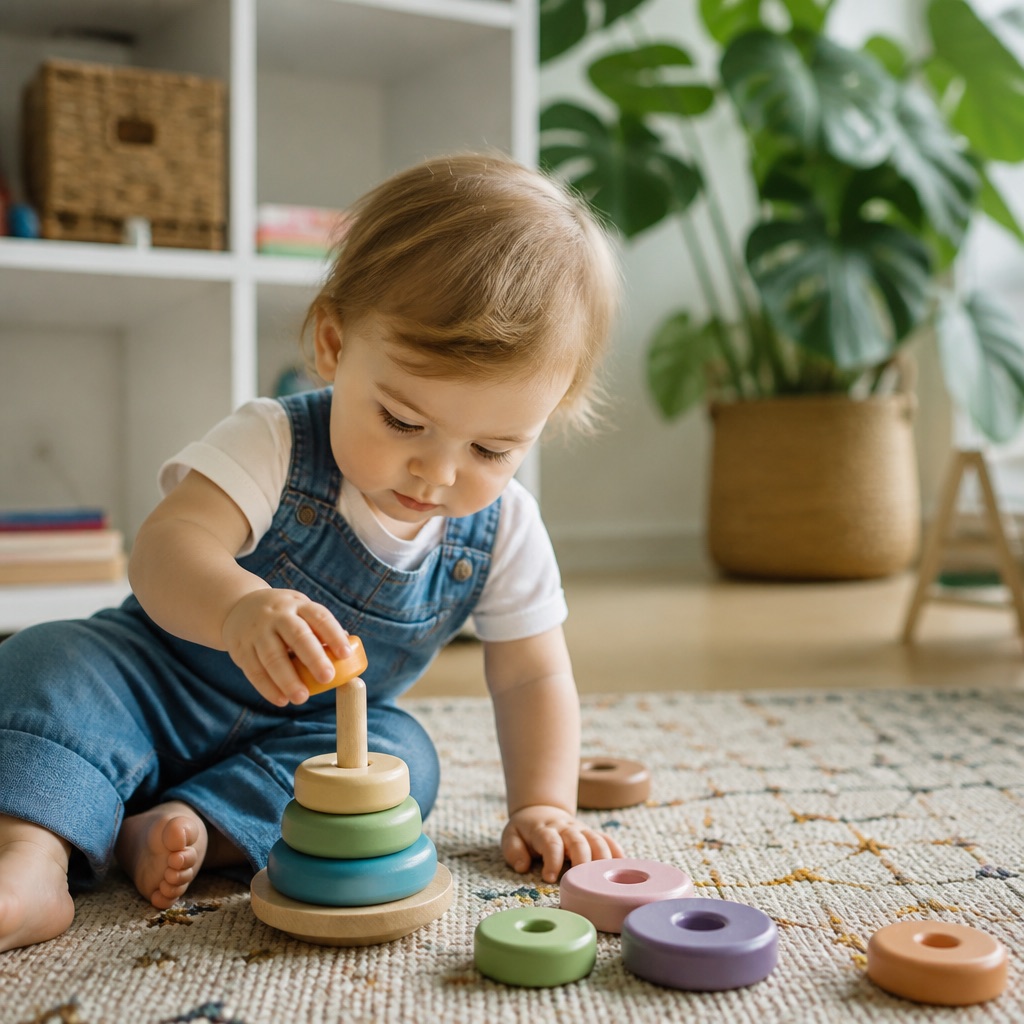
Treasure baskets, water play, stacking, sorting, first songs (five-minute wonders built for busy hands and short attention spans).
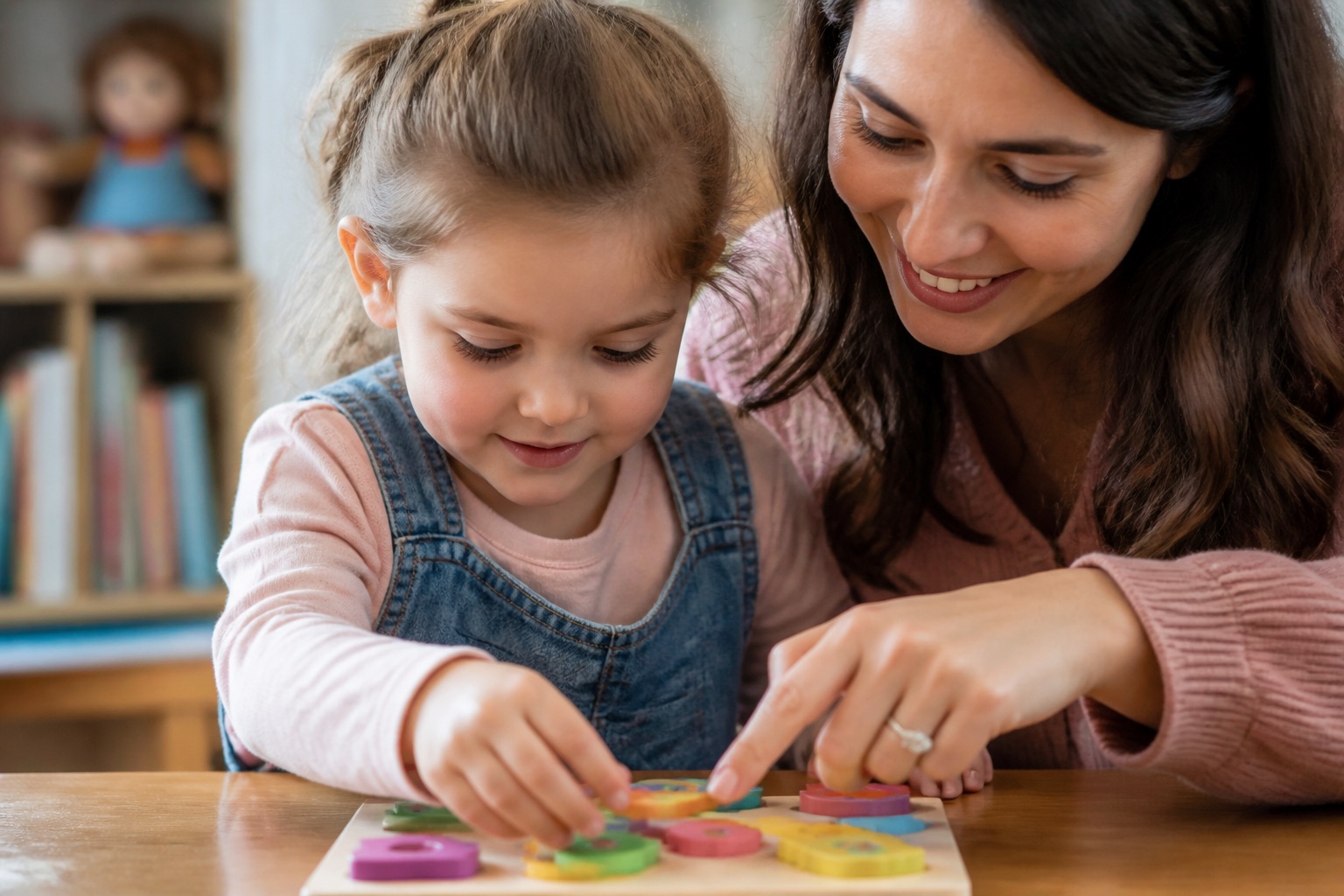
Open the toddler bank →Pretend worlds, first board games, playful counting and crafts that celebrate process over product.
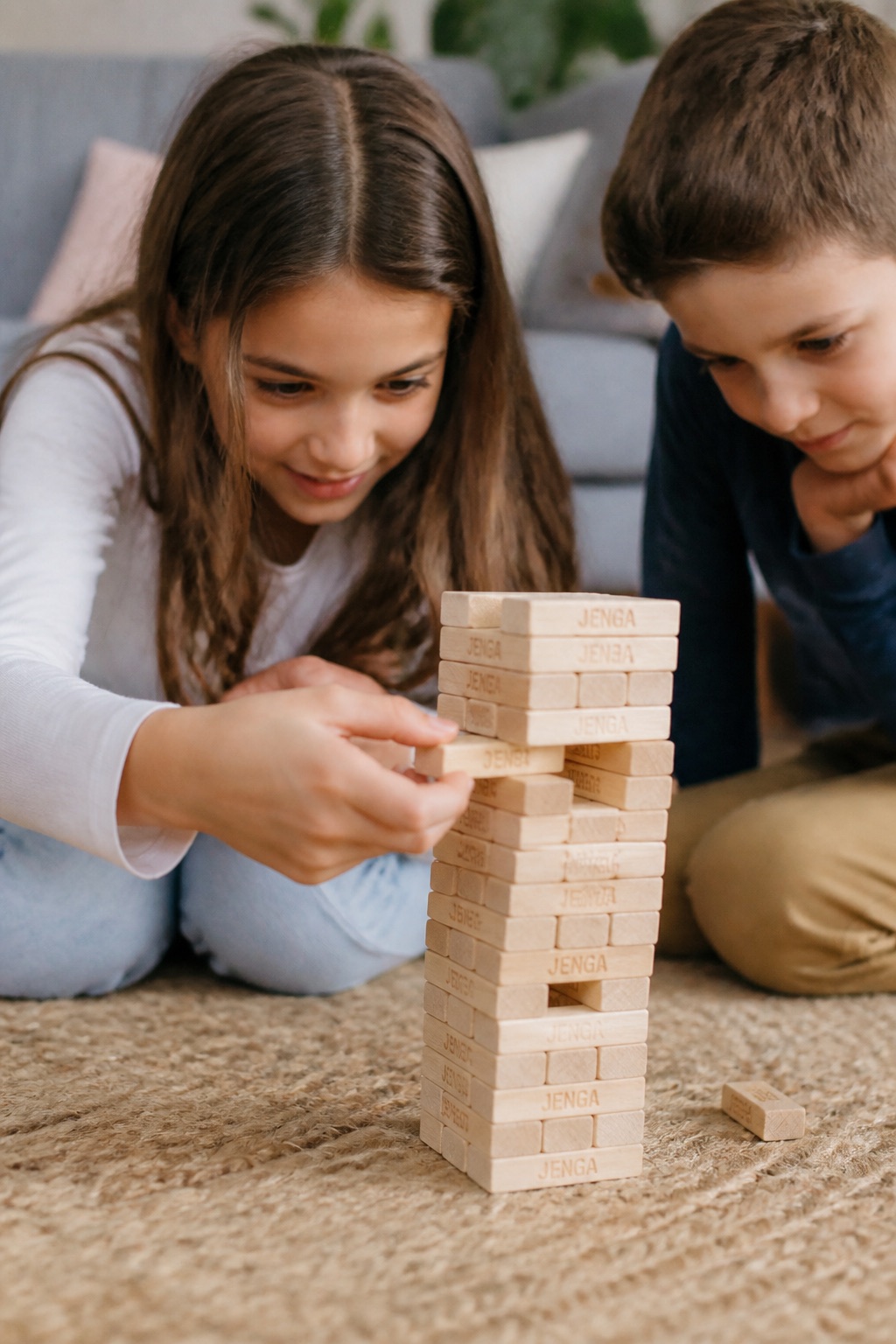
Open the preschool bank →Engineering challenges, strategy games, kitchen science and multi-day projects with a proud finish.
Open the school-age bank →By setting
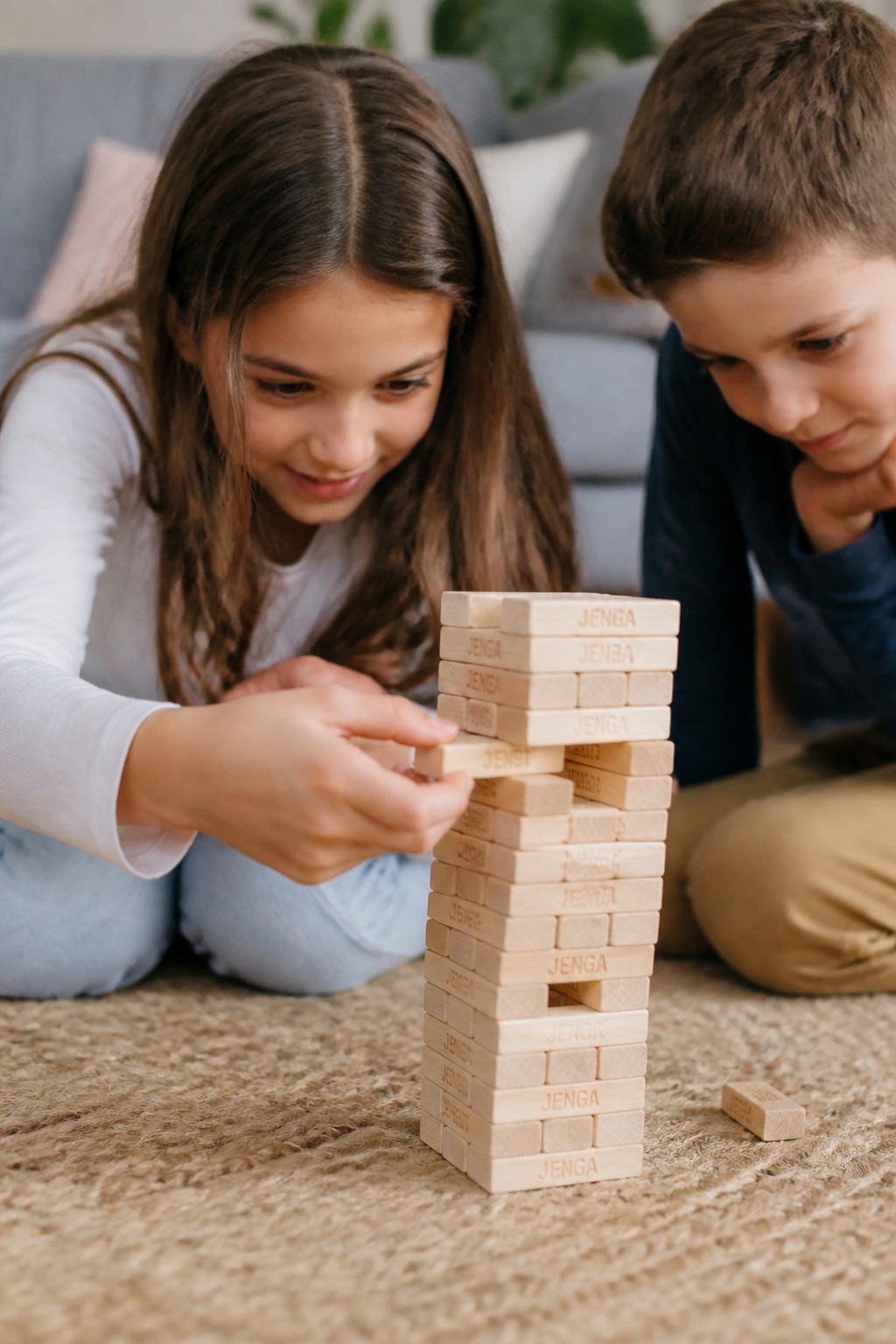
Living-room Olympics, balloon volleyball, cooped-up energy burners and calm wind-downs.
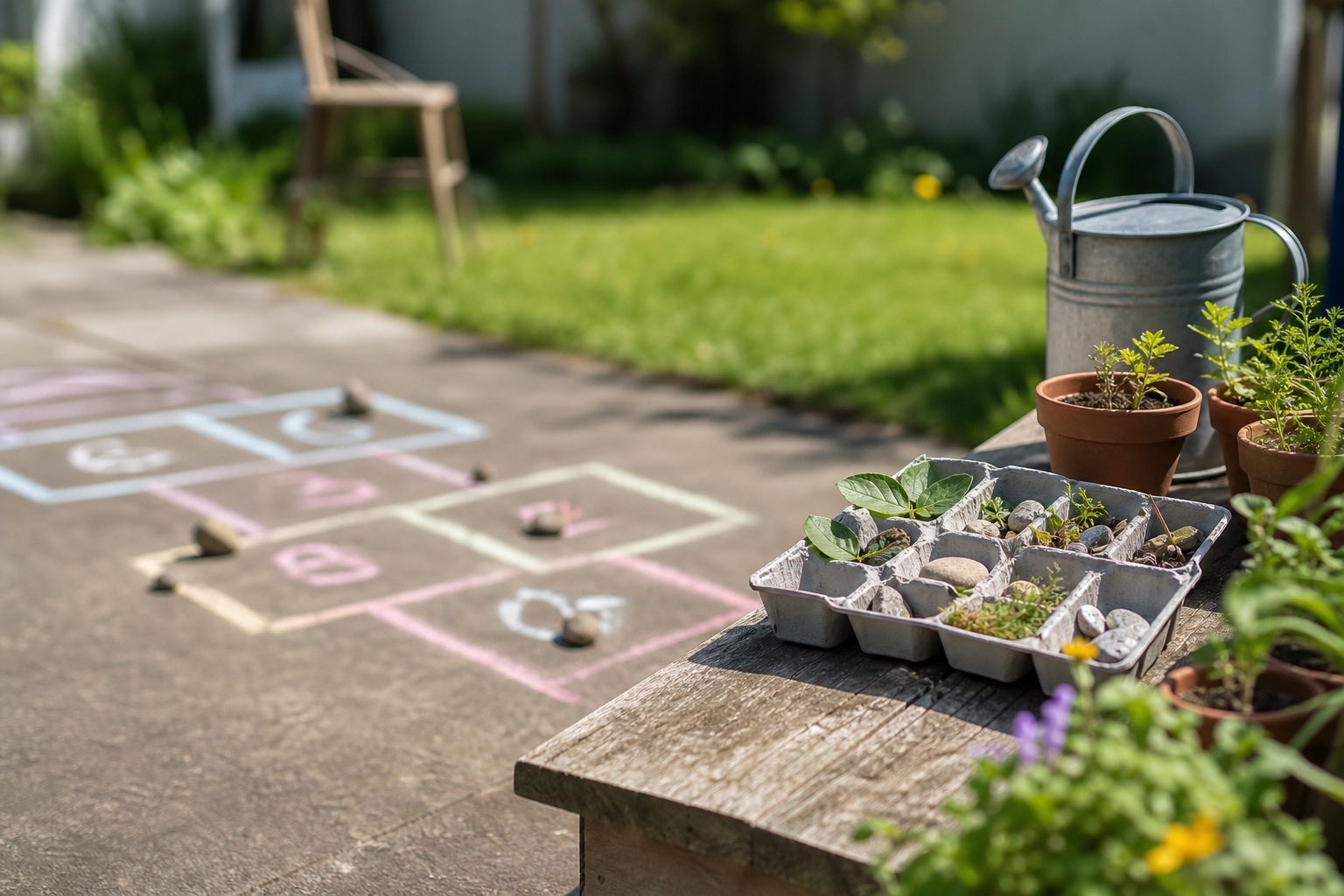
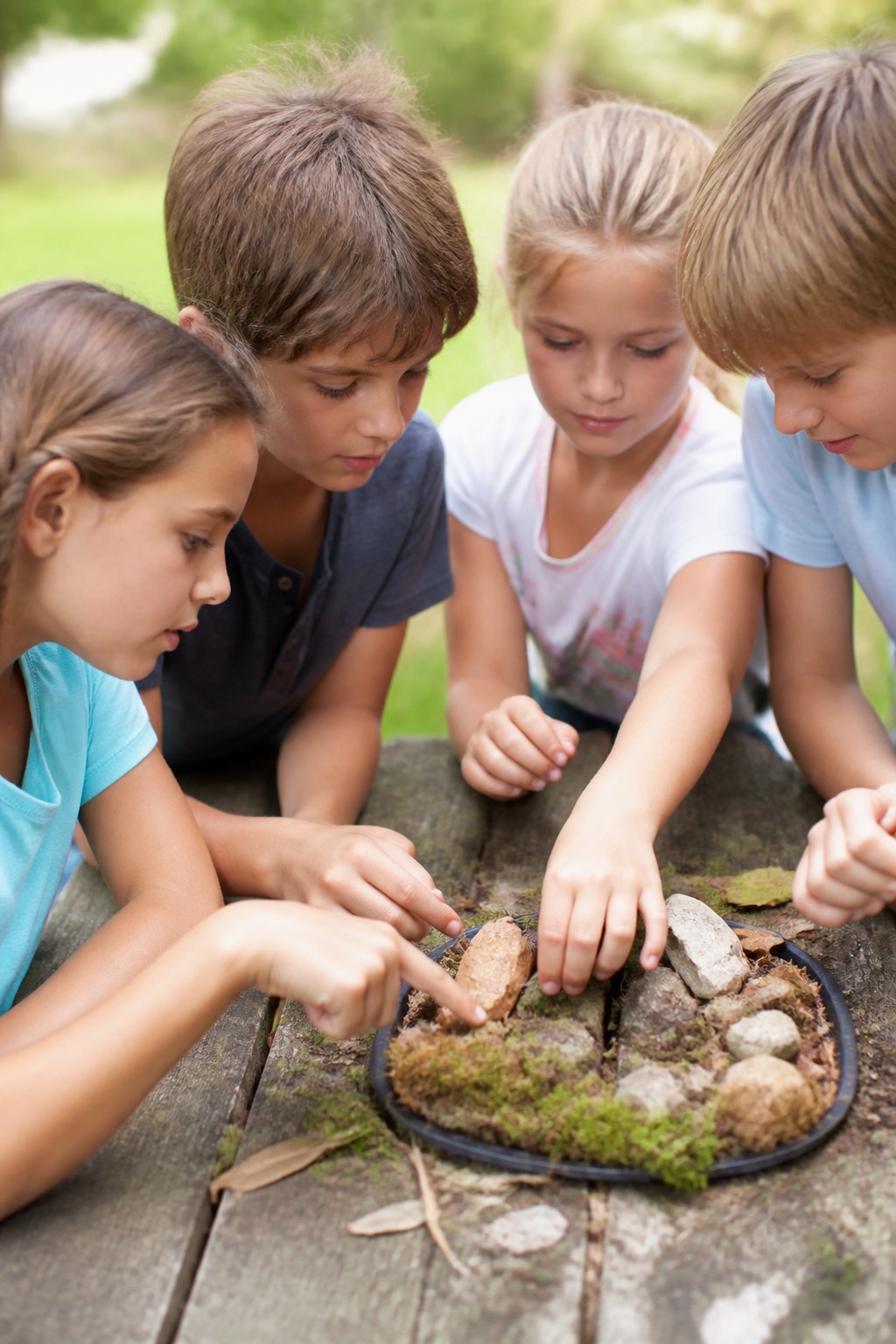
Backyard classics, nature treasure hunts, sidewalk art and games that need nothing but legs.
Forty numbered ideas for wet afternoons, from blanket forts to family bake-offs.
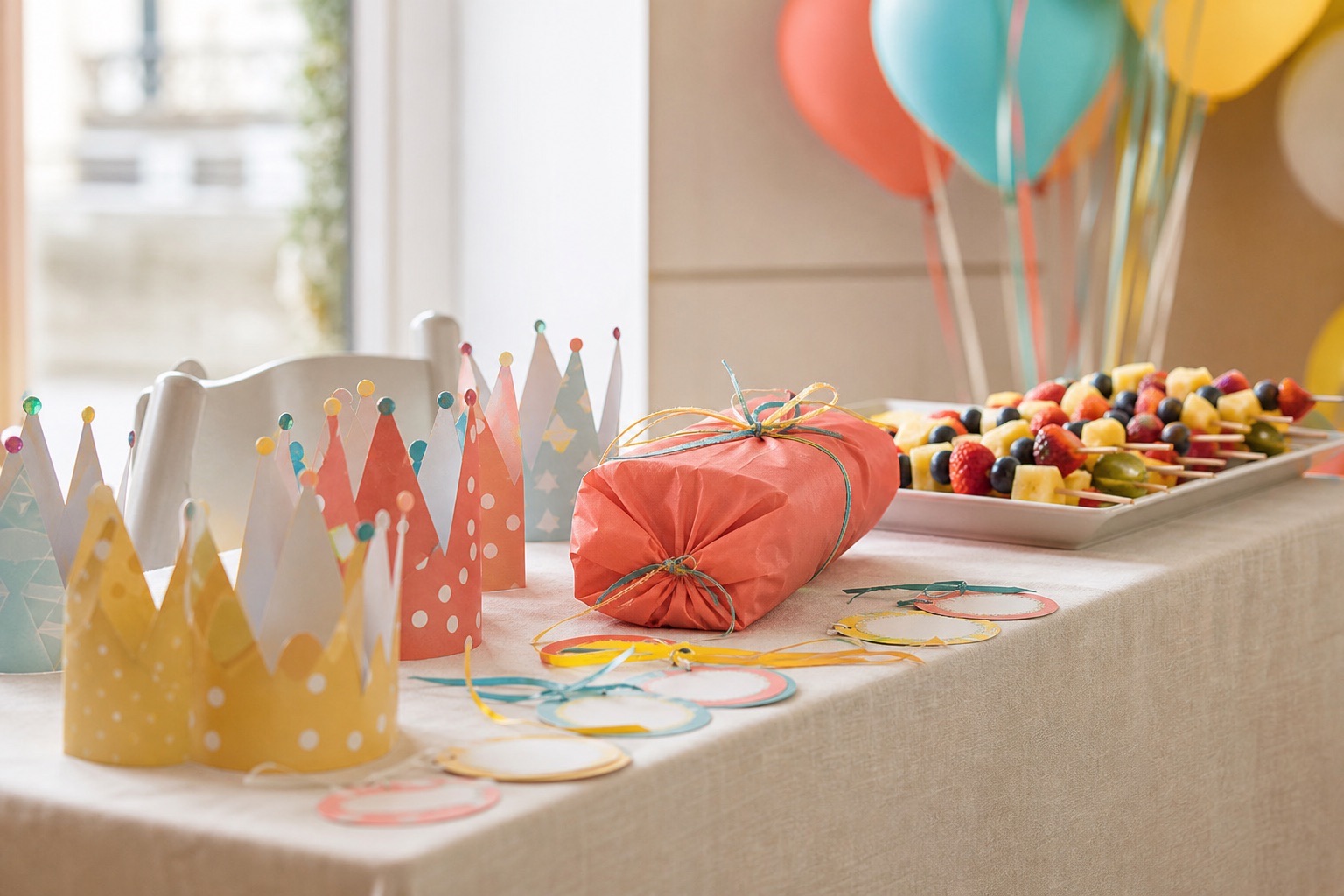
Calm openers, energetic peaks and gentle closers, a full party arc that runs itself.
How to read a local war memorial with your children: names, dates, local stone, and the stories behind each one. A practical guide for families.
A plain guide for parents to Orthodox Christianity: the church year, Sunday visits, icons, candles and simple ways to explain it all to children.
How shared Christian faith shaped small towns and public life, and how to explore original documents with your family or study group.
Simple ways to handle meals, snacks, screen time and the evening rush with young children, plus a French blog worth reading for daily family life.
How to lay a flat or graded watercolor wash without streaks, build depth with glazing, and fix muddy color, hard edges and blooms.
A calm, practical guide to farmhouse decorating at home: what to keep, what to skip, and how to make a room feel warm in every season.
A plain-English look at where Halloween comes from, what Samhain really was, and why we carve pumpkins, with history you can share with your kids.
How West Side families plan banquets: guest counts, buffet lines, room layout, bar rules, deposits and the questions to ask before you sign.
If your child's handwriting is slow, painful or messy, here is how to tell normal from tricky, what a graphothérapeute does, and when to ask for help.
How Catholic scouting works by age: law and promise, lupetti and coccinelle at 8 to 11, reparto at 12 to 16 with squadriglia and impresa.
Learn what Día is, who started El día de los niños / El día de los libros in 1996, and how families and libraries celebrate children and books on April 30.
Start a small family garden with children: easy crops, safe plants, and simple jobs for one afternoon. Practical steps for pots, yards, and balconies.
By flavor
Paper, paint, glue and recycled treasures (each idea rated from tidy to full-glitter).
Experiments with kitchen chemistry energy: mix, fizz, float, sink, predict, repeat.
Story rituals, book lists by age and kind tactics for reluctant readers.
The quiet curriculum hiding inside blocks, board games and pretend restaurants.
A practical, guilt-free framework for family screens and swaps that stick.
Who writes Very Super Kids, and the promises we make to busy families.
The method
An index only helps if it answers fast, so we designed this page around the real decision path of a family with energy to burn: who is playing, where are you stuck, and what do the kids love doing most? Match the band first, because age fit is the difference between delight and eye-rolling: a treasure basket thrills a two-year-old and bores an eight-year-old, while a spaghetti tower does the reverse. Then pick the setting: rainy-day ideas live indoors and tidy, outdoor games assume grass and weather. The flavor guides, crafts, science, reading, parties, are for the days you have a bit of planning energy and want something bigger.
Two habits make the whole system hum. First, the choosing is part of the fun: let a child pick between two options and commitment doubles, this is why our rainy-day kit is a list of numbered ideas rather than a ranking. Second, stage before you announce: cover the table, fill the water tray and lay out the materials while everyone is still happy, because the opening minute of an activity decides whether it takes. And when a game fizzles after five minutes, count it a success rather than a failure: you offered exactly the right-sized experience for the attention available, and tomorrow the same idea may run for an hour. For the reasoning behind age bands, mess ratings and grown-up tips, the editorial policy explains exactly how each guide is built.
One last field note from the families we write for: keep a small record of what worked. A note on the fridge (“obstacle course, 40 minutes, both kids, no tears”) turns into a personal activity index within a month, and on the hard days it is worth more than any list on the internet, including ours.
Using this index: bookmark this page on the family tablet (it is designed as a dashboard). When a day goes sideways, pick the age band, then the setting, and you are never more than two clicks from a workable plan. For the philosophy behind it all, read learning through play.