You do not need a big yard or a lot of money to start a family garden. A few pots, a bag of compost, and one sunny afternoon are enough to plant something children can watch grow. The trick is to pick easy crops, keep the space small, and give each child one job they can finish.
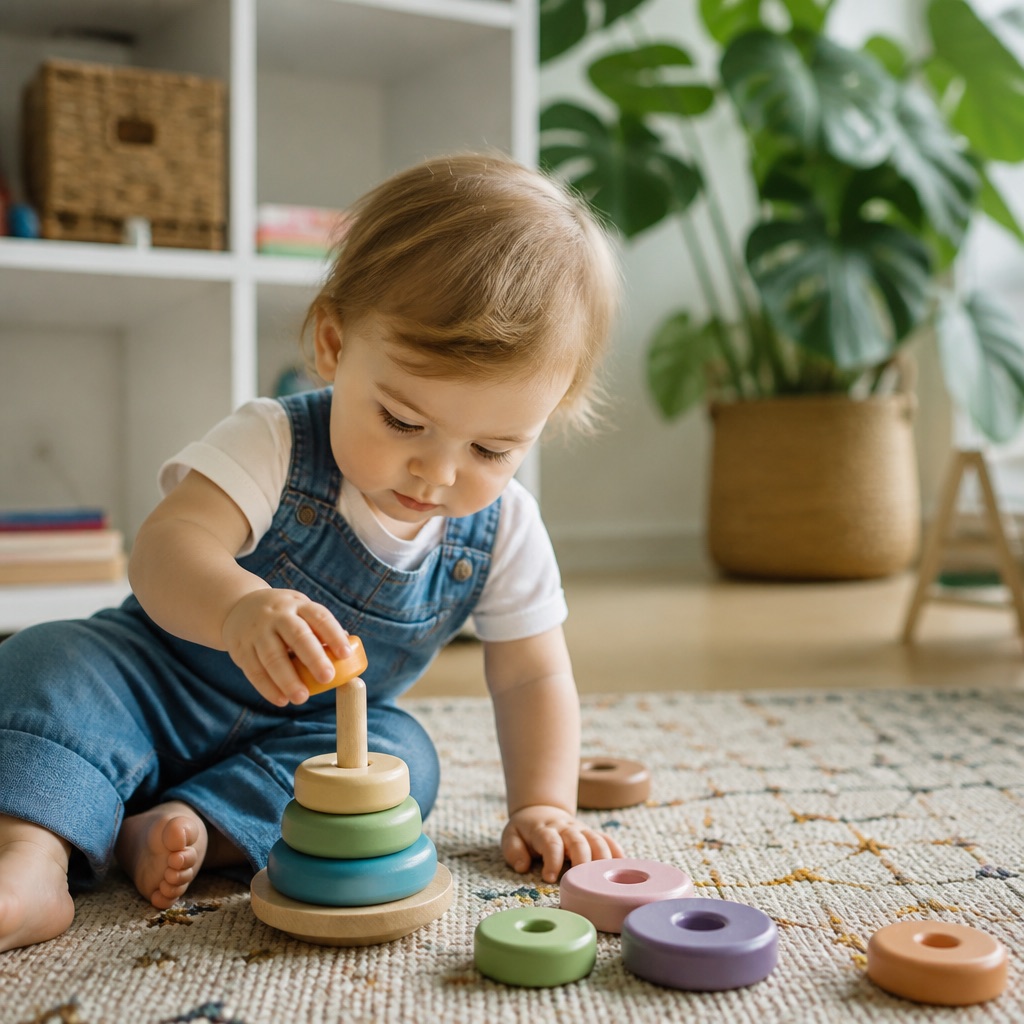
Start small, and pick crops that forgive mistakes
Children lose interest when nothing happens for weeks. Choose plants that sprout fast or grow big enough to see. Radishes are ready in about four weeks. Lettuce leaves can be picked a few at a time. Sunflowers shoot up quickly and give you a tall marker for the season. Potatoes in a sack work well on a balcony because you keep adding soil as the stems rise.
If you want a wider plan, gardening with children covers the same ground in more detail: planning a small plot, sowing in pots and raised beds, and moving from the patch to the plate. The site is a neutral magazine written in the third person, so you read ideas rather than sales pitches.
Keep the first plot to about one square metre, or three or four pots. A small space that gets finished beats a big one that turns into a chore. Put it near a door or a window you pass every day, so the children see it without being told.
What do children actually do in the garden?
Give real jobs, not pretend ones. A four-year-old can fill pots with compost using a cup. A six-year-old can poke holes and drop in seeds. An eight-year-old can water with a small can and check for slugs in the evening. Older children can read the seed packet, write plant labels, and decide what to grow next.
Jobs that work for most ages:
- Filling pots and trays with compost, then firming it with flat hands.
- Sowing big seeds: sunflowers, beans, peas, nasturtiums, pumpkins.
- Watering at the base of the plant, not over the leaves.
- Picking leaves and pods, and eating them straight away.
- Drawing or writing labels for each pot.
Avoid tasks that need fine control or patience, such as thinning tiny seedlings. Do those yourself while the children water something else. The aim is a shared job, not a perfect bed.
How do you keep a family garden safe?
Most garden plants are harmless, but a few common ones are not. Teach one rule first: nothing goes in the mouth unless an adult says it is food. That covers berries, seeds, bulbs, and leaves from plants you did not grow.
Plants worth knowing about, because they grow in many gardens and can make a child ill if eaten:
- Foxglove, whose tall spikes are common in borders.
- Deadly nightshade and other wild nightshades.
- Laburnum seeds and pods.
- Rhubarb leaves, which are not edible even though the stalks are.
The Royal Horticultural Society keeps a list of potentially harmful garden plants, and it is a sensible page to check before you plant something new. Keep bulbs and seed packets out of reach, and wash hands after a session, especially before snacks.
Slugs are the other everyday issue. Instead of pellets, try a night torch hunt, a ring of crushed eggshells, or a beer trap set well away from where children play. A small wildlife corner with a log pile and a shallow dish of water brings in birds and beetles that help with pests.
What can you grow if you only have a balcony?
A balcony, a windowsill, or a paved yard can still grow food. Light matters more than space. Most vegetables and herbs want four to six hours of direct sun a day, so watch your spot before you buy anything.
Good choices for containers:
- Herbs: mint, chives, parsley, and thyme. Mint is best in its own pot, as it spreads.
- Salad leaves and rocket, cut and come again.
- Cherry tomatoes in a large pot with a stake or a string.
- Bush beans and dwarf peas.
- Strawberries, which children pick and eat on the spot.
Use pots at least 20 to 30 cm across for herbs and salads, and larger ones for tomatoes. Any container needs holes in the bottom. A saucer under each pot saves the balcony floor and keeps the roots from drying out on hot days.
How long does it take, and what does it cost?
One afternoon is enough to set up. Filling pots, sowing, watering, and writing labels takes about an hour with two or three children, and a bit longer if they lose interest halfway. After that, ten minutes of watering on dry days keeps things going.
Costs stay low if you start small. A bag of compost, a few packets of seed, and some pots from a garden centre or a discount shop cover most families. Seeds left over from one year often still grow, and a sunflower head saved in autumn gives you next year's seeds for nothing.
Expect some losses. A pot dries out, a seedling gets pulled up by mistake, slugs find the lettuce. Treat that as part of the season rather than a failure, and sow a second round of fast crops in midsummer to fill the gap.
Make it a habit, not a project
The families who keep gardening are the ones who build it into the day. Watering before school, a five-minute slug check after dinner, a bowl of strawberries on the step. Children remember the taste of a tomato they grew more than any lesson about it.
Start with one pot this weekend. Add another next month if the first one survives. By the end of the season you will know what grows well where you live, and the children will know how to look after something that is not a toy.
Once your beds are in and the watering routine settles, you may want a change of pace for the next rainy afternoon. The magazine covers plenty of other ground, from indoor games to screen-time limits, and you can move between topics whenever your family needs something new. If autumn is on your mind, one article explains where the holiday came from, what people marked long ago, and why we carve faces into pumpkins. You can read that samhain to halloween history together and talk about it over dinner.